
CONTEXT
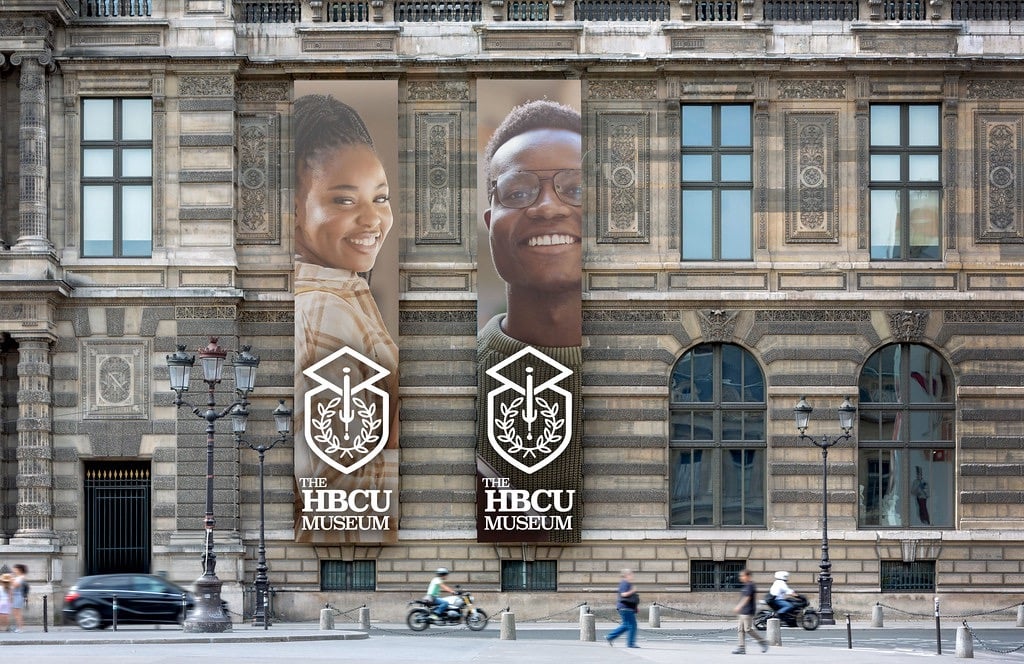
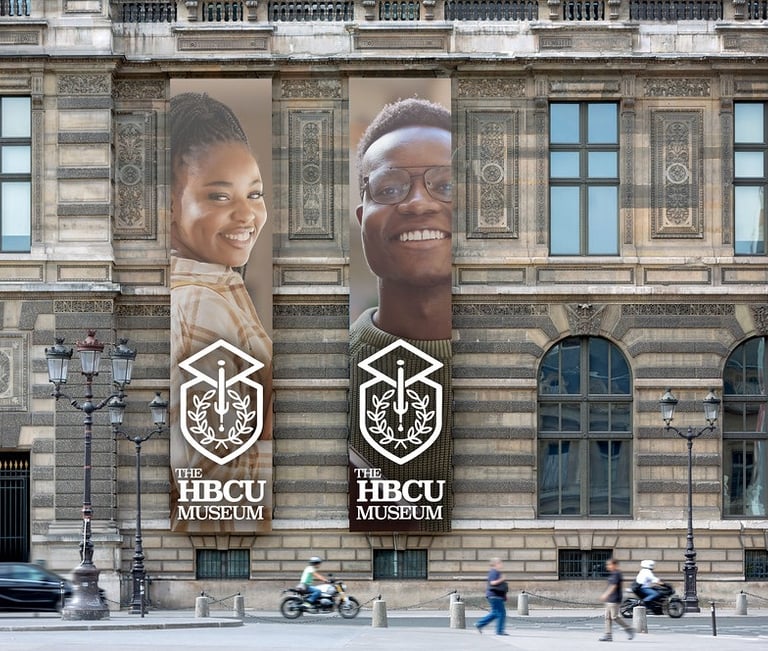
The HBCU Museum preserves and presents the histories, contributions, and cultural impact of Historicaslly Black Colleges and Universities. As an institution rooted in education and cultural stewardship, its identity must communicate credibility, pride, and accessibility to programs and public-facing materials.
Rather than treating the brief as speculative, the work was approached as a viable institutional proposal - grounded in research, cultural context, and practical application. The goal was to explore how a cohesive identity system could support both the museum's archival responsibility and its role as a contemporary cultural space.
PERSPECTIVE
The proposed identity sees the museum as an active, evolving platform for education and dialogue. The system is designed to balance reverence with clarity - honoring legacy without relying on nostalgia.
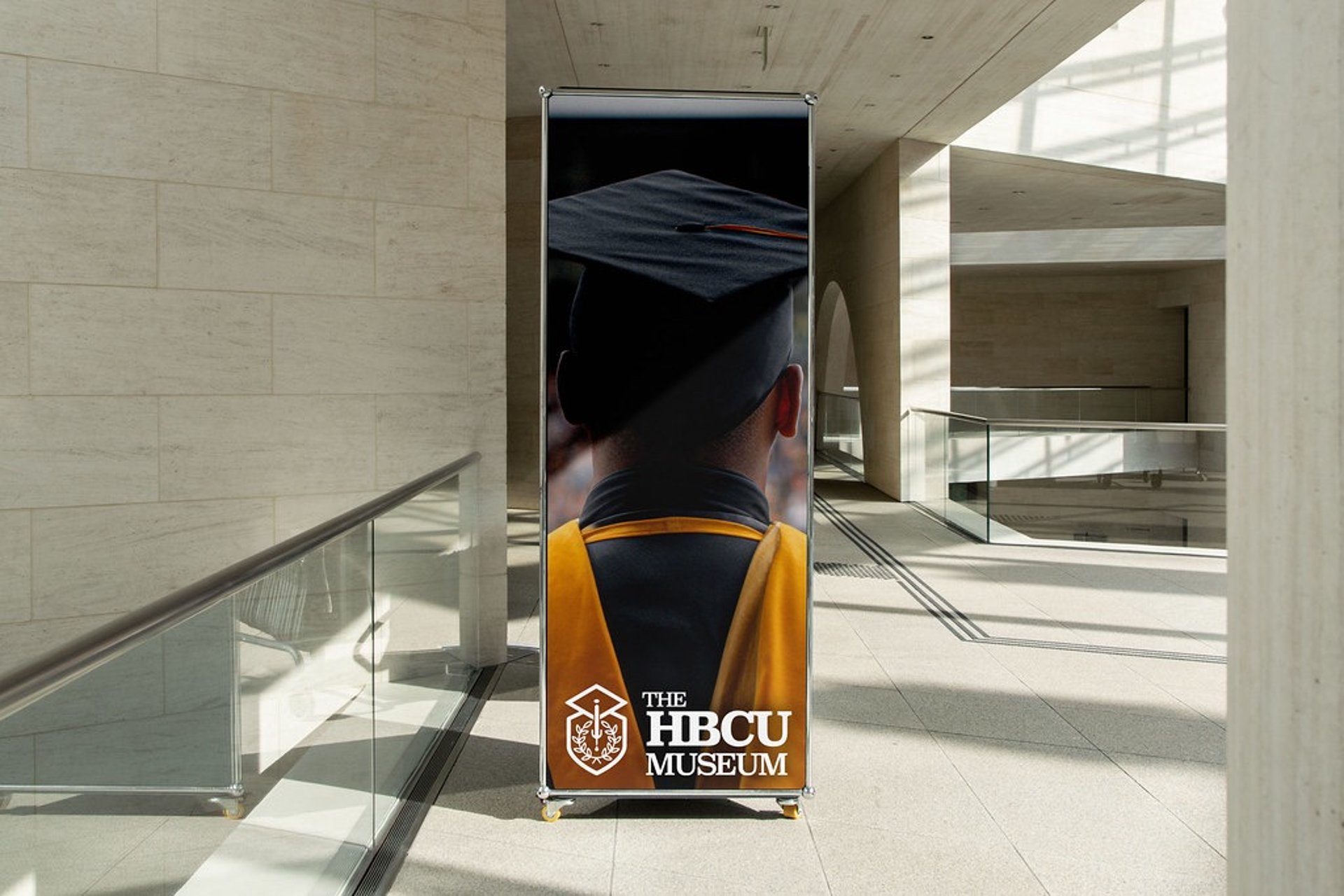
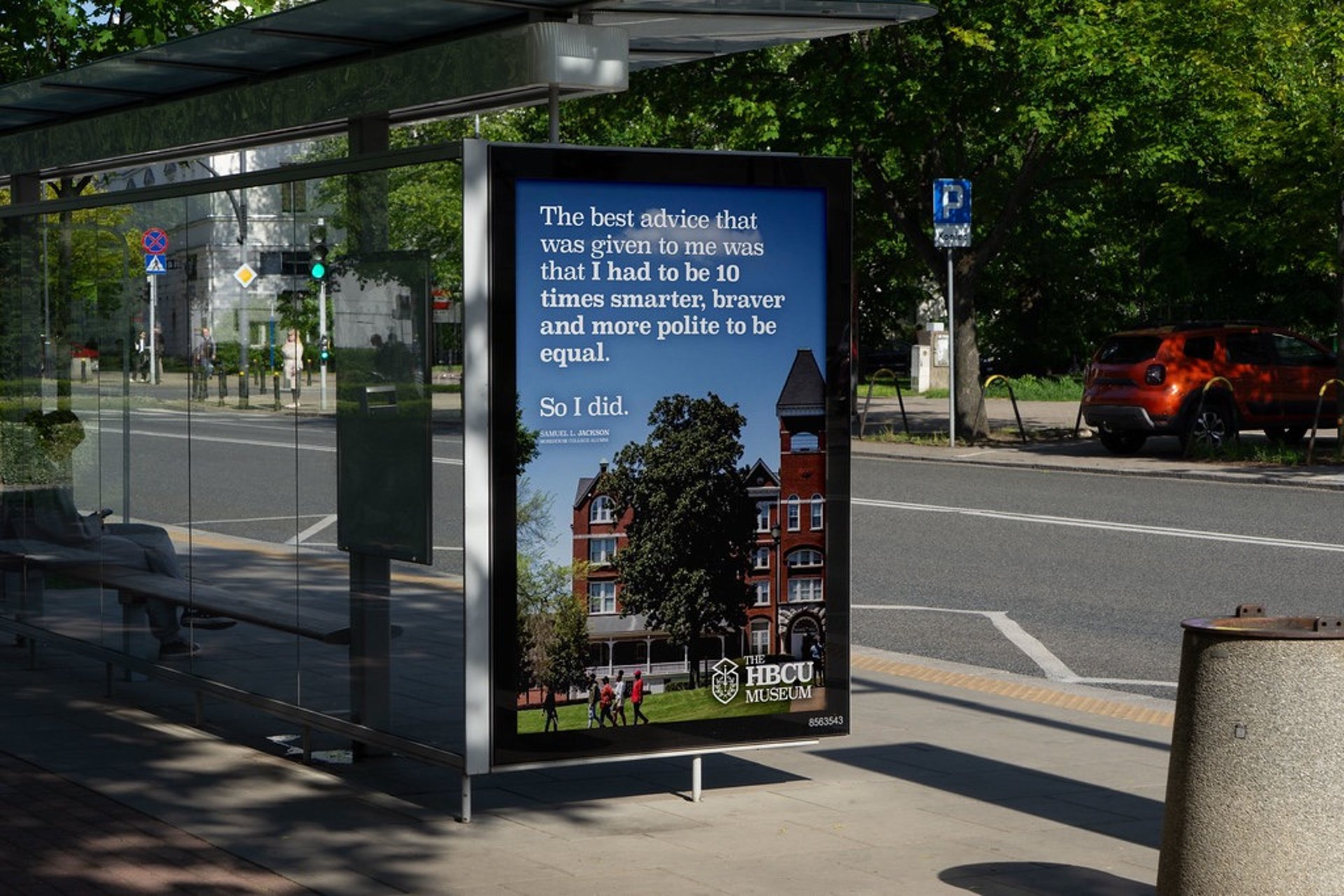
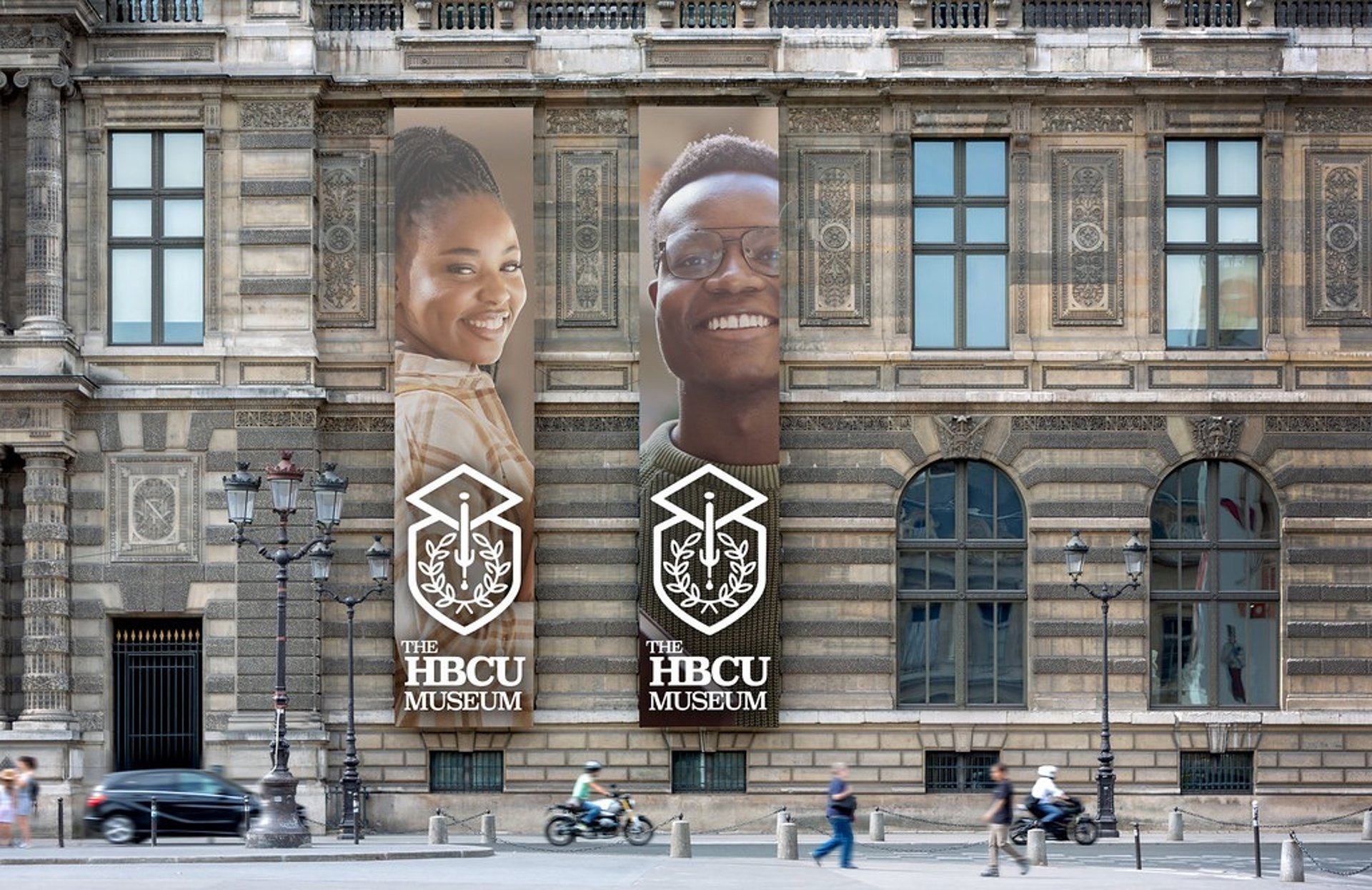
Visual decisions were guided by the need for flexibility across exhibition environments, printed materials, and digtial touchpoints. Emphasis was placed on symbolism, legibility, and modularity, allowing the identity to scale from wayfinding and signage to exhibition graphics and promotional materials.
The result is a system that positions the HBCU Museum as both an authoritative institution and an accessible public space - capable of supporting current programming while leaving room for future growth.
SCOPE
IDENTITY
LOGO DEVELOPMENT
EXHIBITION
ENVIORNMENTAL APPLICATIONS
PRINT AND DIGITAL MOCK UPS
VISUAL SYSTEM EXPLORATION
The HBCU Museum project delivers a comprehensive brand system that honors the legacy and impact of historically Black colleges and universities. From logo and typography, to digital and print materials, every element was crafted to reflect the richness of HBCU culture. The design engages alumni, students, and the broader community, creating a consistent and memorable experience. By combining heritage-driven visuals with accessible, modern applications, the brand bridges history and contemporary relevance. This system positions the museum as both an educational resource and a cultural landmark.
★★★★★